
The History of American Football: From 1869 College Chaos to America’s Favorite Sport
THE GRIDIRON CHRONICLES • VOL. 1869 • SPECIAL HERITAGE EDITION How bare-knuckle campus brawls, presidential ultimatums, and the birth of the college mascot shaped a century and a half of Saturday tradition.…
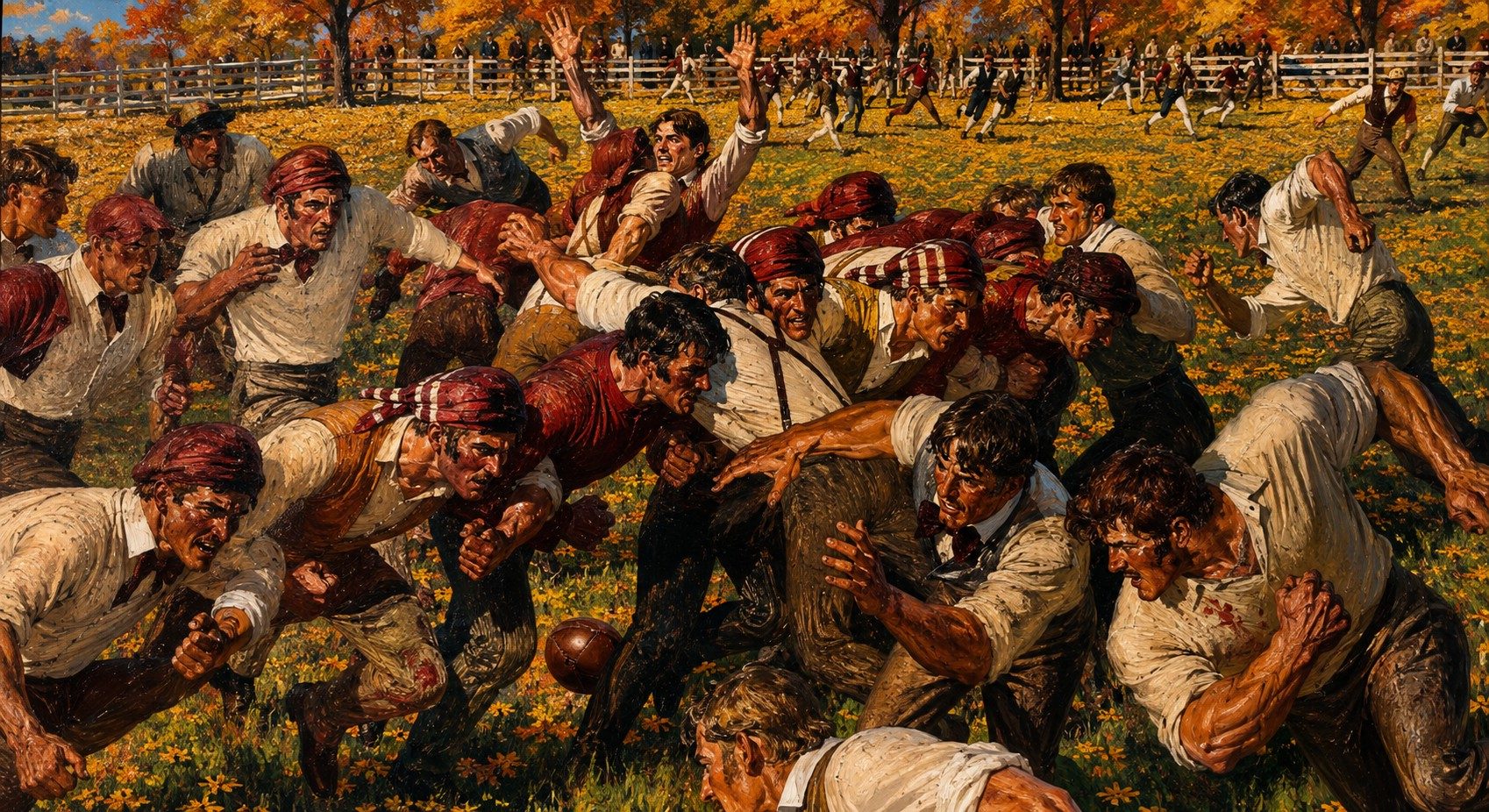
THE GRIDIRON CHRONICLES • VOL. 1869 • SPECIAL HERITAGE EDITION
How bare-knuckle campus brawls, presidential ultimatums, and the birth of the college mascot shaped a century and a half of Saturday tradition.
On a crisp autumn afternoon on November 6, 1869, fifty young men gathered on a plot of grass in New Brunswick, New Jersey. There were no plastic helmets, no yellow yard lines, no forward passes, and not a single costumed college mascot cheering from the sidelines. The contest between Rutgers College and the College of New Jersey (now Princeton) was a chaotic, bare-knuckle clash that barely resembled the high-flying spectacle Americans watch today.
Yet, from those unorganized beginnings grew the defining cultural obsession of the United States. Over the course of 150 years, American football transformed from an unruly campus pastime into a multi-billion-dollar theatrical empire. It survived nationwide safety crises, presidential interventions, and sweeping tactical revolutions.
Equally fascinating is how the cultural spirit of the game evolved hand-in-hand with its rules. As brutal scrums gave way to structured stadium pageantry, universities introduced brass bands, alma mater anthems, and the beloved tradition of the college mascot—giving a living soul to the fierce athletic rivalries that continue to captivate millions of fans every Saturday.
1869 – 2026
1
1869 Inception: Rutgers vs. Princeton played under soccer-like rules with a round ball and 25 men per team.
2
1880s Camp Blueprint: Walter Camp invented the line of scrimmage, system of downs, snap-back, and 11-man teams.
3
1889 Mascot Dawn: Yale adopted bulldog Handsome Dan, creating the first official live college mascot.
4
1905 Safety Reform: President Teddy Roosevelt mandated rule changes, giving birth to the forward pass and the NCAA.
5
Modern Fanwear: The mascot leaped from the sideline onto vintage crewnecks and custom jerseys as symbols of lifelong pride.
ERA 1869–1874
November 6, 1869: The Chaotic Birth of College Football
The game recognized by sports historians as the first intercollegiate football match took place on a field behind the Rutgers college gymnasium. The rules were adapted from the London Football Association: twenty-five players per side attempted to kick a round inflated rubber ball into the opponent’s goal.
Carrying or throwing the ball was strictly forbidden. Players wore everyday street clothes, discarding their hats, coats, and vests as the match grew heated. Rutgers won the inaugural contest 6 goals to 4, sparking a rematch a week later at Princeton.
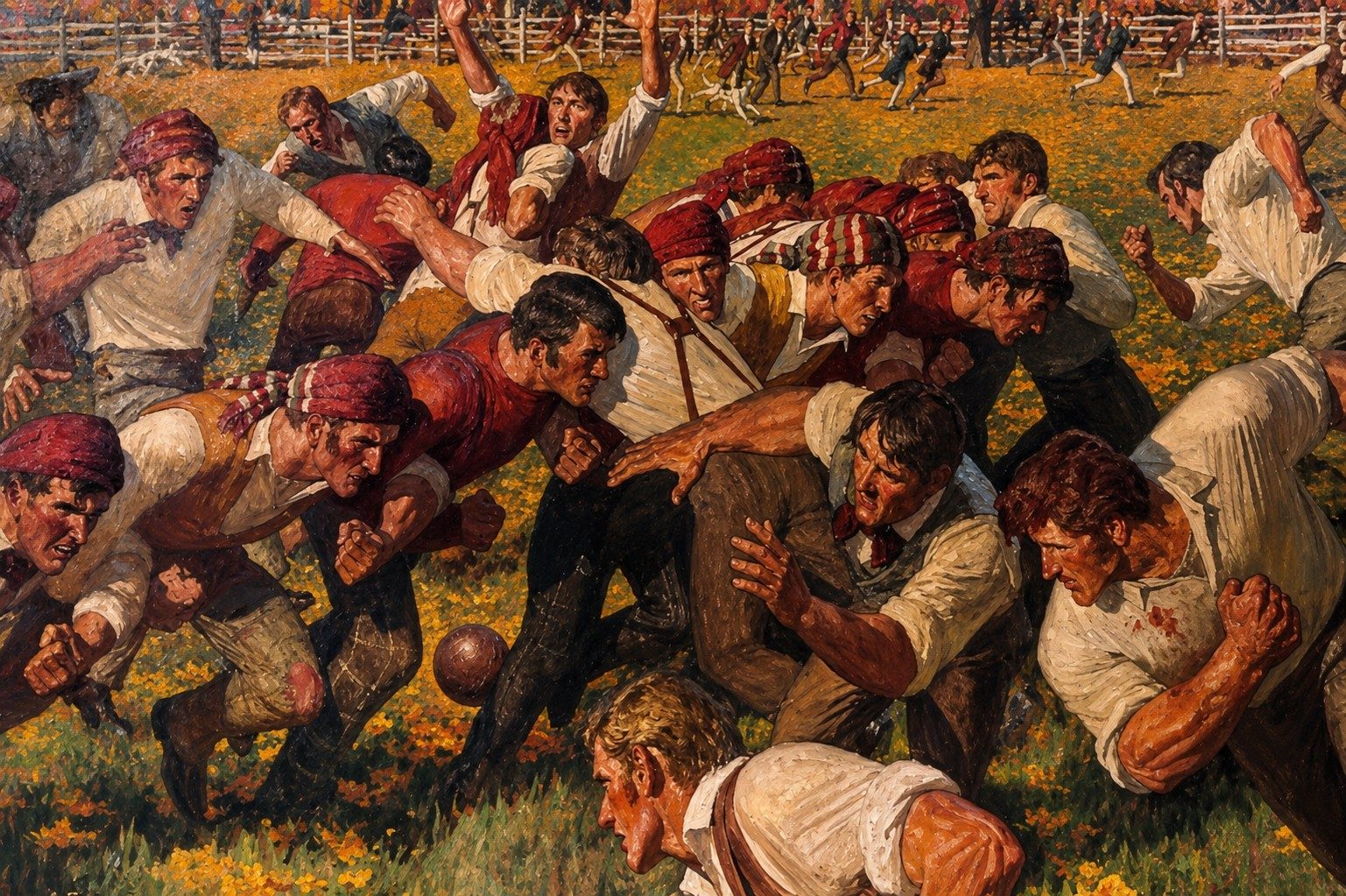
Archival illustration depicting the historic first intercollegiate football match between Rutgers and Princeton on November 6, 1869.
The 1874 Harvard-McGill Series: Embracing the Oval Ball
While Princeton and Rutgers favored a soccer-like kicking style, Harvard University developed its own campus tradition known as the “Boston Game,” which allowed players to run with the ball under specific conditions.
In May 1874, Harvard hosted Montreal’s McGill University for a two-game series. McGill introduced Harvard to the rules of English rugby, using an oblong leather ball, tackling runners to the turf, and scoring through “tries.” Harvard quickly fell in love with rugby’s physicality, introducing the format to Yale and Columbia and permanently steering American football away from association soccer.
ERA 1880–1892
Walter Camp and the Invention of the Gridiron
If early football was an unruly British import, one man transformed it into a uniquely American institution: Walter Camp. A gifted athlete and visionary coach at Yale University from 1876 to 1892, Camp serves as the undisputed “Father of American Football.”
Frustrated by the chaotic scrums of traditional rugby, Camp introduced a series of revolutionary rule changes through the Intercollegiate Football Association:
Replaced the contested rugby scrum with a clean separation of opposing teams before every play.
Required a designated player (the center) to snap the ball backward to the quarterback.
Mandated that a team must gain 5 yards in 3 plays (later 10 yards in 4 downs) or surrender possession.
Reduced team sizes from 15 to 11, formalizing standardized positional roles across the offensive line.
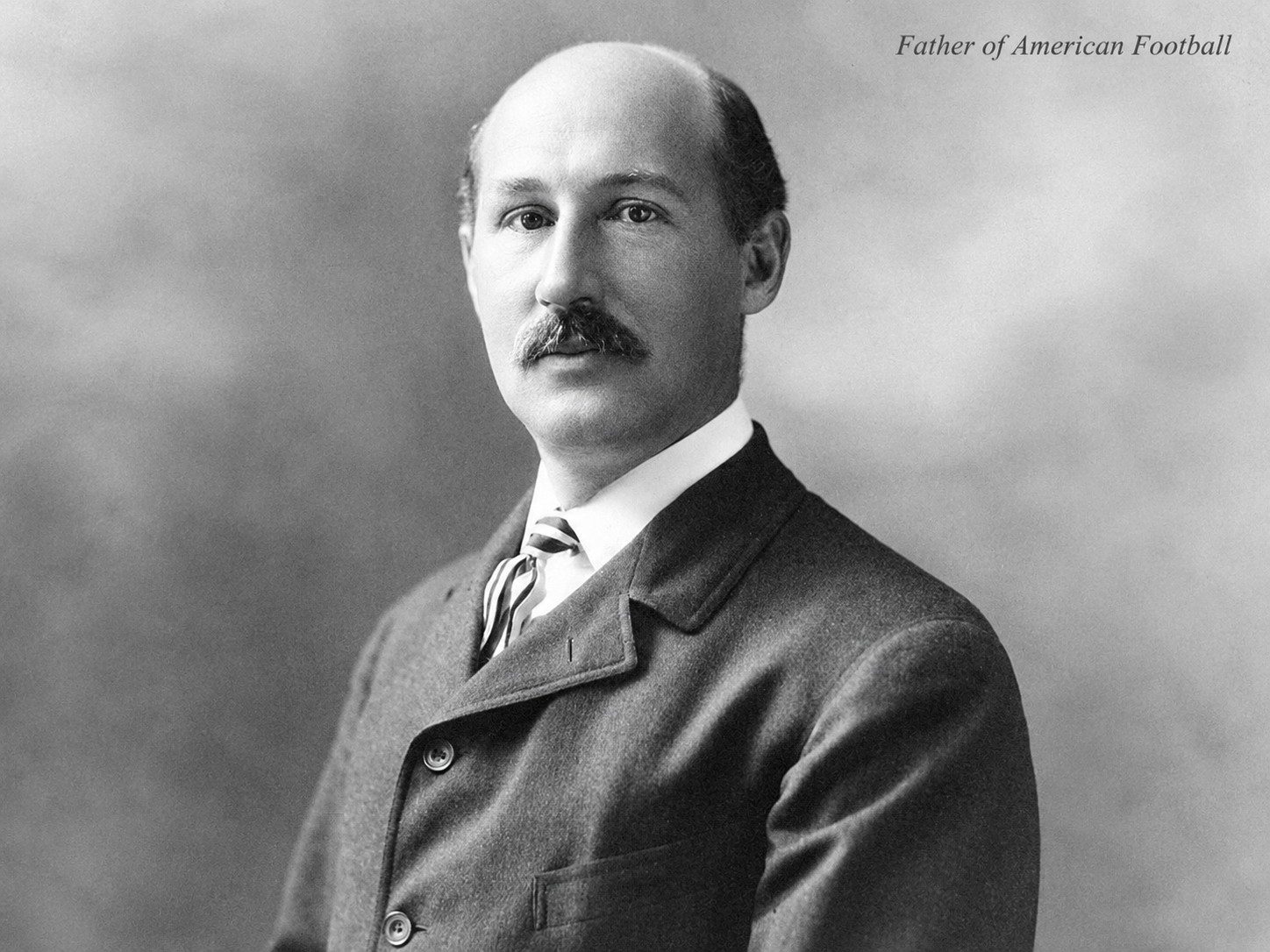 Walter Camp, the “Father of American Football”.( Source: Wikipedia)
ERA 1889–1950
The Rise of the College Mascot: Giving Soul to the Gridiron
As Walter Camp’s tactical innovations made college football more structured and competitive throughout the late 1880s, campuses witnessed an explosion in fan attendance. Rivalry games drew tens of thousands of spectators, creating an urgent desire for visual emblems of campus pride.
Enter the college mascot. The word itself derives from the French term “mascotte,” meaning a lucky charm or talisman. In the rugged, hard-hitting world of 19th-century gridiron battles, student bodies sought symbols that embodied strength, tenacity, and good fortune.
Handsome Dan (1889): The Pioneer of Campus Mascots
In 1889, Yale student Andrew Barbey Graves purchased an English bulldog named Handsome Dan for $5 from a local blacksmith. Handsome Dan patrolled the sidelines before matches, reportedly barking ferociously whenever he saw Harvard or Princeton colors.
Handsome Dan became an instant sensation, establishing a tradition of live animal mascots that spread across the country—from the Texas Longhorns’ Bevo (1916) to Georgia’s beloved English bulldog, Uga (1956).
The Transition to Theatrical Costumed Mascots
While live animals provided fierce prestige, the mid-20th century saw the emergence of costumed performers. Fabricated mascot heads allowed characters like Brutus Buckeye (Ohio State) and the Oregon Duck to interact directly with student cheering sections, perform acrobatic stunts, and solidify the modern identity of the college mascot.
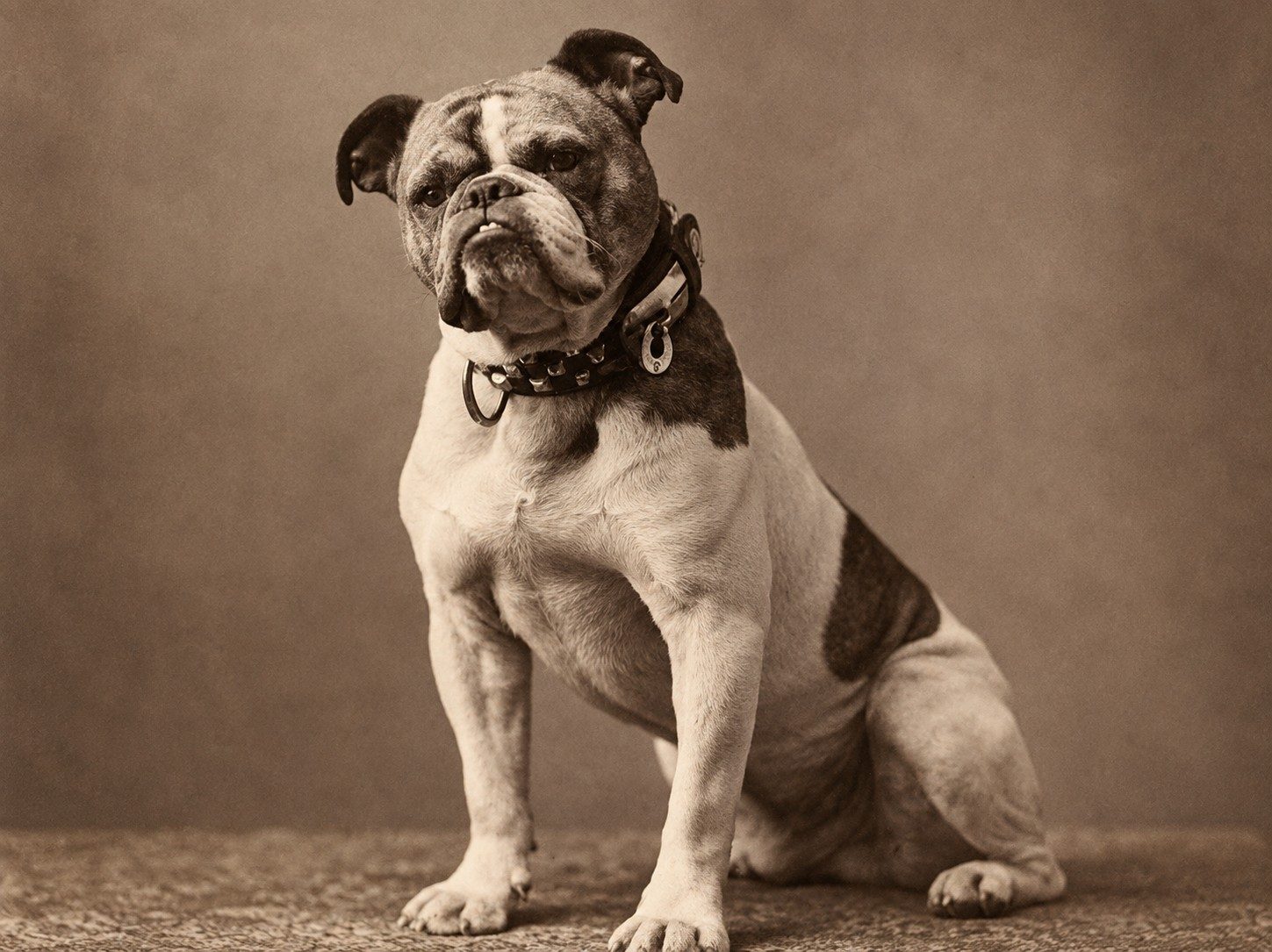 Handsome Dan I of Yale University (1889), the first documented official college mascot in American sports history.
( Source: Wikimedia Commons, licensed under CC BY-SA 3.0)
ERA 1905–1910
The Crisis of 1905: How Teddy Roosevelt Saved Football
By the turn of the 20th century, football faced an existential crisis. Mass momentum plays like Harvard’s infamous Flying Wedge—where offensive linemen locked arms in a V-formation and charged full speed into defenders—turned the gridiron into a bloody battlefield.
In 1905 alone, nationwide reports documented at least 18 player deaths and more than 150 severe, disabling injuries. Major academic institutions canceled their football seasons, and public outrage threatened to outlaw the sport entirely.
“Football is on trial. Because I believe in the game, I want to see you do what you can to save it from itself.”
— President Theodore Roosevelt (White House Athletic Summit, 1905)
The Birth of the Forward Pass and the NCAA (1906)
President Roosevelt summoned athletic leaders from Harvard, Yale, and Princeton to the White House, issuing a stern ultimatum: reform the rules to eliminate brutality, or face a federal ban. The resulting intercollegiate reform committee enacted sweeping safety measures in 1906:
- Legalization of the Forward Pass: Opened up field spacing and dismantled dangerous mass-collision running formations.
- First Down Expansion: Increased the yardage required for a first down from 5 to 10 yards.
- Establishment of the NCAA: The committee officially incorporated as the National Collegiate Athletic Association in 1910.
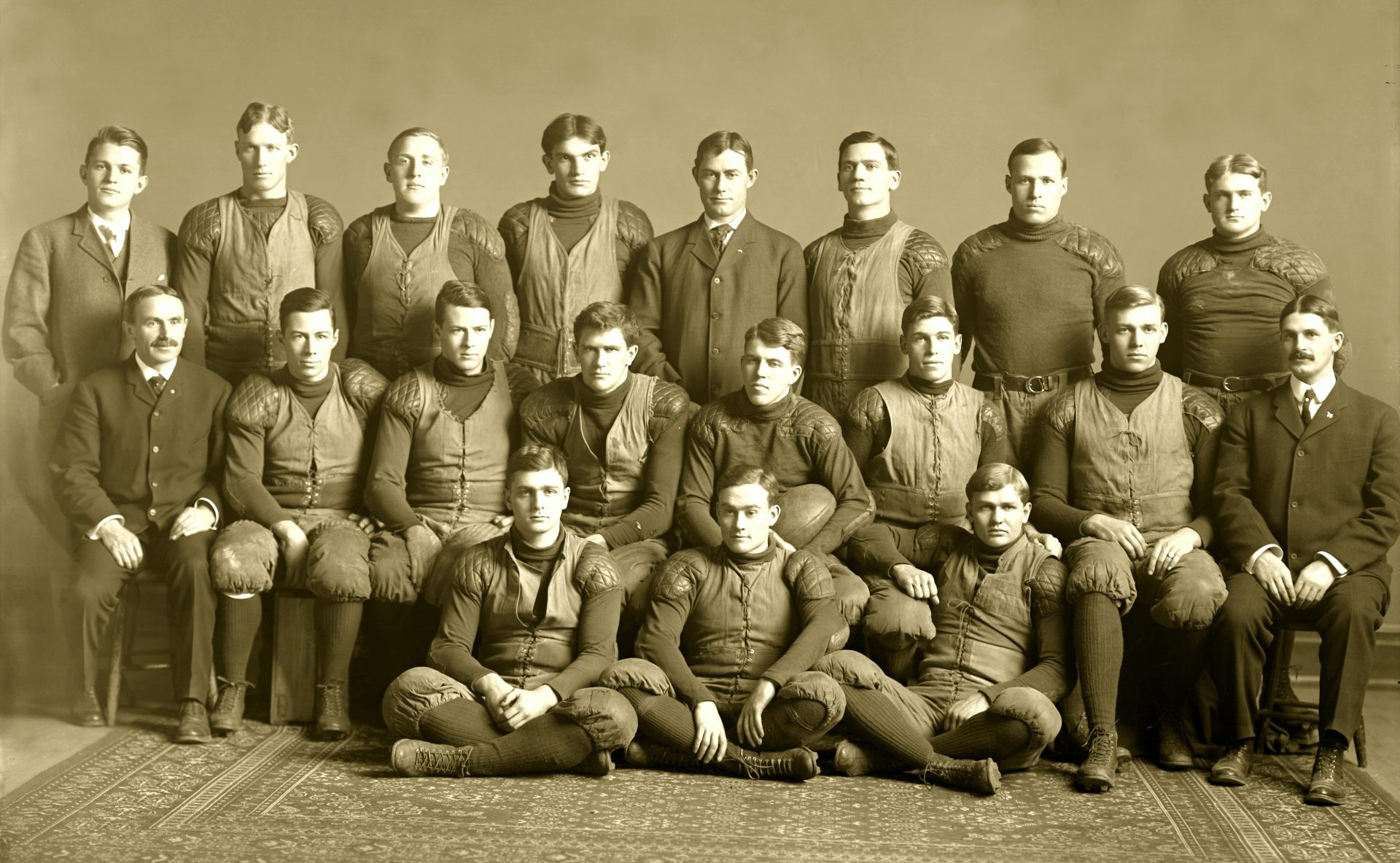
College football players during the 1905 reform era, which led to the legalization of the forward pass and the founding of the NCAA.
(Source: Wikipedia)
ERA 1950–2026
From Sideline Sentinels to Streetwear: The Mascot Apparel Evolution
As football modernized throughout the 20th century, the image of the college mascot leaped from stadium sidelines directly into the everyday wardrobes of students and alumni.
In the 1920s, fans wore hand-sewn felt pennants and heavy wool letterman cardigans. By the 1950s, commercial screen-printing allowed campus bookstores to produce affordable cotton t-shirts adorned with expressive, hand-drawn mascot illustrations.
Today in 2026, the demand for nostalgic collegiate fashion is stronger than ever. Fans celebrate historic school traditions by wearing vintage mascot sweatshirts, custom-numbered athletic jerseys, and plush stadium fleece blankets that honor more than a century of gridiron heritage.
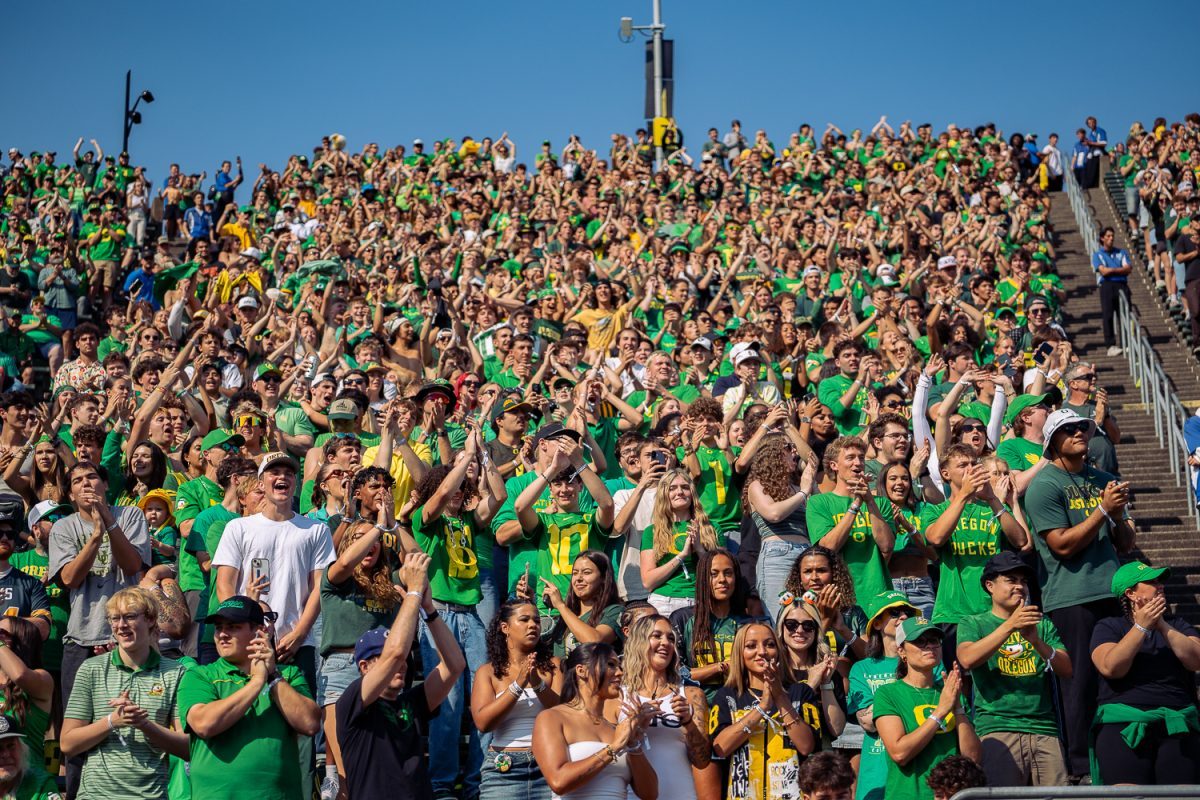 The modern revival of vintage hand-drawn college mascot illustrations on heavyweight game day apparel.
( Source: Daily Emerald Official Website)
Frequently Asked Questions (FAQ)
Q: What was the first official college mascot in football history?
A: Handsome Dan, an English bulldog adopted by Yale University in 1889, is widely recognized as the first official live college mascot in American sports history.
Q: Why was the 1869 Rutgers vs. Princeton game so different from modern football?
A: The 1869 match was played with a round ball under association soccer-style rules with 25 players per side. Throwing or carrying the ball was prohibited until Harvard popularized rugby rules in 1874.
Q: How did President Theodore Roosevelt help save college football?
A: In response to 18 player deaths in 1905 caused by brutal mass collisions like the Flying Wedge, Roosevelt convened a White House conference demanding safety reforms, which legalized the forward pass and led to the formation of the NCAA.
Q: Why are vintage college mascot designs so popular in modern streetwear?
A: Vintage mascot graphics evoke authentic mid-century nostalgia, showcasing handcrafted artistic detail and timeless campus heritage that modern generic logos cannot replicate.
Wear Over a Century of Gridiron Pride with Aloprints
From historic 1889 sidelines to modern Saturday stadium tailgates, celebrate your university’s timeless traditions with custom-crafted spirit wear, vintage mascot crewnecks, and personalized football jerseys.
Related Reads
 August 18, 2026 · 7 min read
Why Is It Called Football If You Throw It? The Fascinating Origin of the American Gridiron
 August 18, 2026 · 7 min read
The Rise of Longhorn Nation: Texas’s Most Iconic Games
 August 18, 2026 · 7 min read