
Why Is It Called Football If You Throw It? The Fascinating Origin of the American Gridiron
Unraveling the medieval peasant myths, the 19th-century rugby split, and how a game played almost entirely with hands became America’s favorite “Football.” It is the single most common question asked by international…
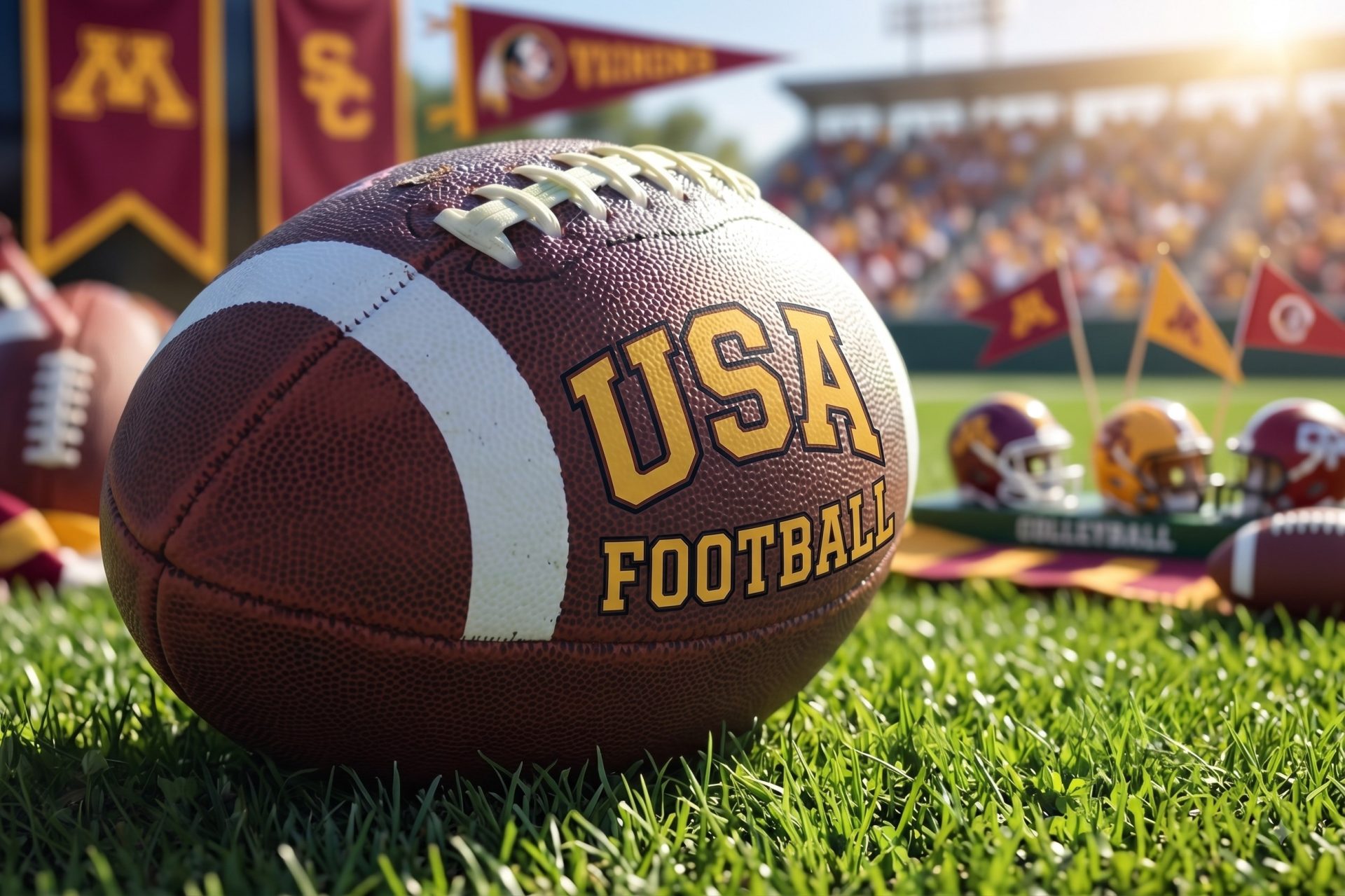
Unraveling the medieval peasant myths, the 19th-century rugby split, and how a game played almost entirely with hands became America’s favorite “Football.”
It is the single most common question asked by international sports fans when watching an American football game: Why is it called football when players spend 95% of the game throwing, catching, and carrying the ball with their hands?
To the casual observer, the name seems entirely illogical. In association soccer, athletes are strictly penalized for touching the ball with their arms. In American gridiron football, by contrast, the quarterback’s arm is the most valuable weapon on the field, and touchdowns are scored by cradling the ball across the goal line.
The answer to this sporting riddle is not a modern marketing mistake. Instead, it is a fascinating journey through medieval class warfare, 19th-century British schoolyard debates, presidential interventions, and the cultural rise of campus gameday traditions—including the beloved college mascot on the sidelines.
HISTORICAL FACTS
1
The Medieval Origin: “Football” originally referred to games played on foot by peasants, distinguishing them from aristocratic sports played on horseback.
2
The 1863 Great Split: In England, the sport divided into Association Football (Soccer) and Rugby Football (carrying the ball).
3
The American Adaptation: American universities (Harvard and Yale) adopted rugby rules, which Walter Camp codified with downs and lines of scrimmage in the 1880s.
4
The 1906 Forward Pass: President Theodore Roosevelt mandated safety reforms, officially legalizing throwing the ball through the air.
5
The Living Kicking Game: Kicking remains crucial for field goals, punts, and game-deciding points, honoring the game’s ancestral name.
MEDIEVAL ETYMOLOGY
The Medieval Origin: “On Foot” vs. “On Horseback”
The prevailing misconception is that the word “football” describes a game where a player’s foot contacts a ball. However, medieval sports historians and linguists have documented a very different etymology.
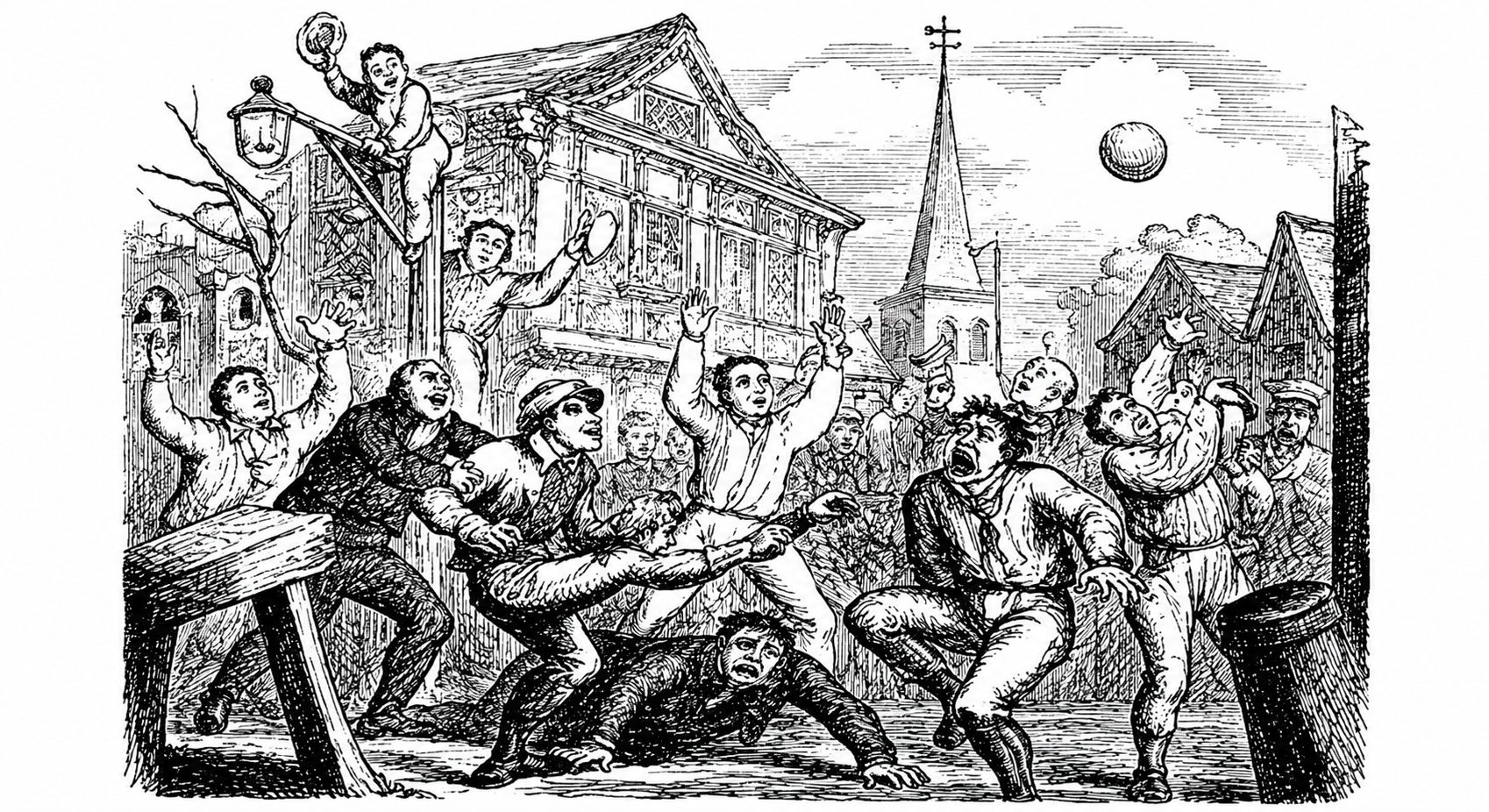
In 14th-century England, athletic pastimes were strictly divided along social class lines. Nobility and knights participated in sports played on horseback—such as jousting, equestrian hunting, and early forms of polo.
Peasants and working-class villagers, who could not afford horses, played ball games on the ground using their own two feet (played on foot). In these chaotic village matches (often called “mob football”), hundreds of participants kicked, punched, threw, and carried inflated animal bladders toward rival village landmarks. Any game contested on foot with a ball was broadly labeled “Football.”
🔍 Myth vs. Fact: Is It Called Football Because the Ball Is a Foot Long?
A popular urban legend claims the sport is named football because the ball measures approximately 11 to 12 inches (one foot) long. While modern regulation footballs do measure about 11 inches, historical records prove the name “Football” existed more than 500 years before standard ball measurements were established in the 1890s!
THE 1863 DIVIDE
The 19th-Century Great Divide: Soccer vs. Rugby
By the early 1800s, English private schools played various unregulated forms of football. In 1863, leaders met at the Freemasons’ Tavern in London to establish a unified rulebook, sparking a permanent split:
1. Association Football (Soccer)
The Football Association (FA) banned ball-carrying and shin-hacking, creating the sport known today as soccer (an Oxford abbreviation of “Association”).
2. Rugby Football
The Rugby School refused to abandon ball-carrying and physical tackling, founding the Rugby Football Union in 1871.
Both games retained the word “Football” in their official titles. When these British sports traveled across the Atlantic to North American universities, American athletes gravitated decisively toward the physical ball-carrying nature of rugby.
CROSSING THE ATLANTIC
How American Colleges Transformed Rugby into the Gridiron
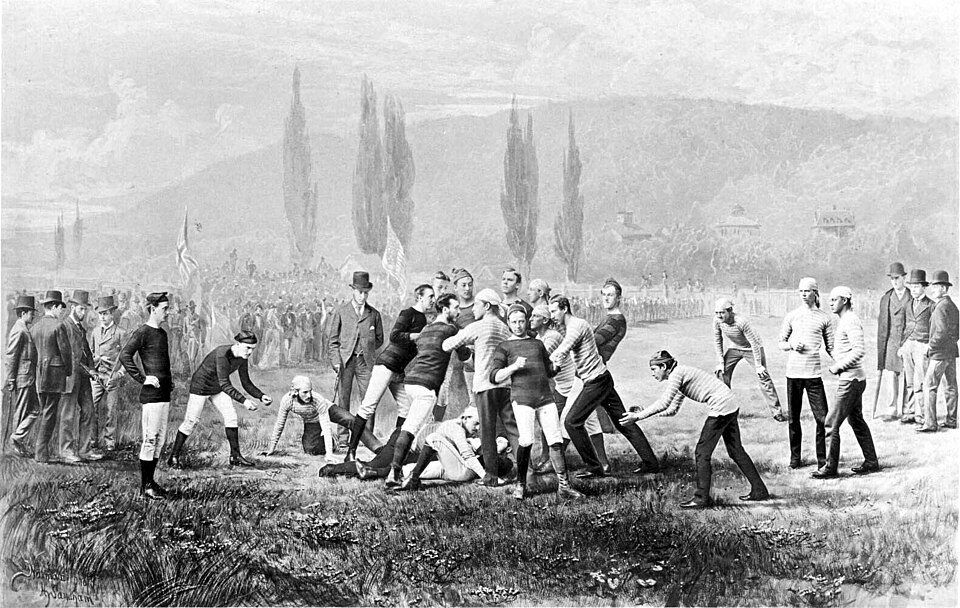
The first intercollegiate match between Rutgers and Princeton in 1869 resembled association soccer with a round ball. However, in May 1874, Harvard hosted Montreal’s McGill University in a series that introduced rugby’s oval ball and running plays to the Ivy League.
In the 1880s, Yale athlete and coach Walter Camp revolutionized the rules:
- The Line of Scrimmage (1880): Replaced the contested rugby scrum with a clean line dividing offense and defense.
- The Center Snap (1880): Required a player to deliver the ball directly with hands to the quarterback.
- System of Downs (1882): Mandated yardage requirements, establishing strategic possession.
THE AERIAL REVOLUTION
The 1906 Forward Pass: The Ultimate Hand Revolution
Even with Walter Camp’s innovations, early American football was primarily a brutal rushing contest. Mass momentum plays like the Flying Wedge caused 18 player deaths in 1905 alone, prompting President Theodore Roosevelt to demand immediate safety reforms.
In 1906, the newly formed rules committee legalized the forward pass. This landmark rule change opened up the gridiron, eliminated dangerous pile-ups, and permanently cemented throwing and catching as the central engine of the sport.
THE PIGSKIN MYSTERY
The Mystery of the “Pigskin” and the Laces
Why is the American football shaped like an oval, and why is it called a “pigskin”?
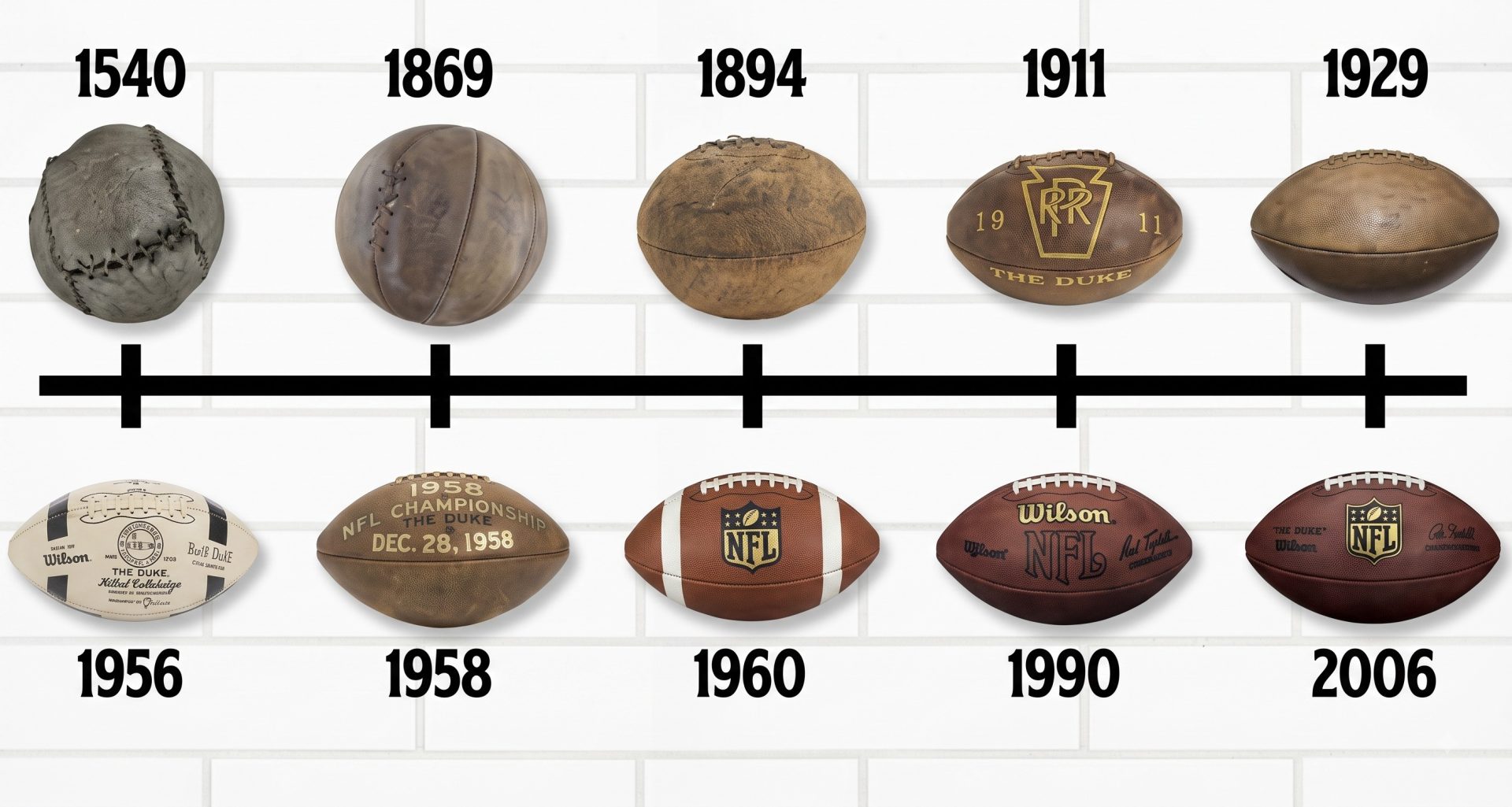
- The Swine Bladder Origin: Early 19th-century balls were made from inflated pig bladders encased in stitched cowhide leather. Because animal bladders inflate into irregular oval shapes rather than perfect spheres, the oblong design was born.
- The Purpose of the Laces: The white laces on a modern football were originally used to sew the leather casing shut after inserting the bladder. Today, raised synthetic laces provide the crucial grip quarterbacks need to throw a tight, spinning spiral.
- The Prolate Spheroid (1934): In 1934, the ball was redesigned with tapered ends into an aerodynamic prolate spheroid, making it easier to grip and throw accurately over long distances.
THE LINGERING FOOT
The Kicking Game: The Lingering Legacy of the “Foot”
Despite the dominance of passing and running, the human foot still decides the most dramatic moments in football history. Every match begins with a kickoff, drives are preserved through punts, and national championships are frequently won or lost by 50-yard game-winning field goals through the yellow uprights.
The word “football” serves as a historical bridge connecting modern stadium spectacles with their humble 19th-century roots.
The Modern Gridiron Culture: How a 150-Year Identity Lives on the Bleachers
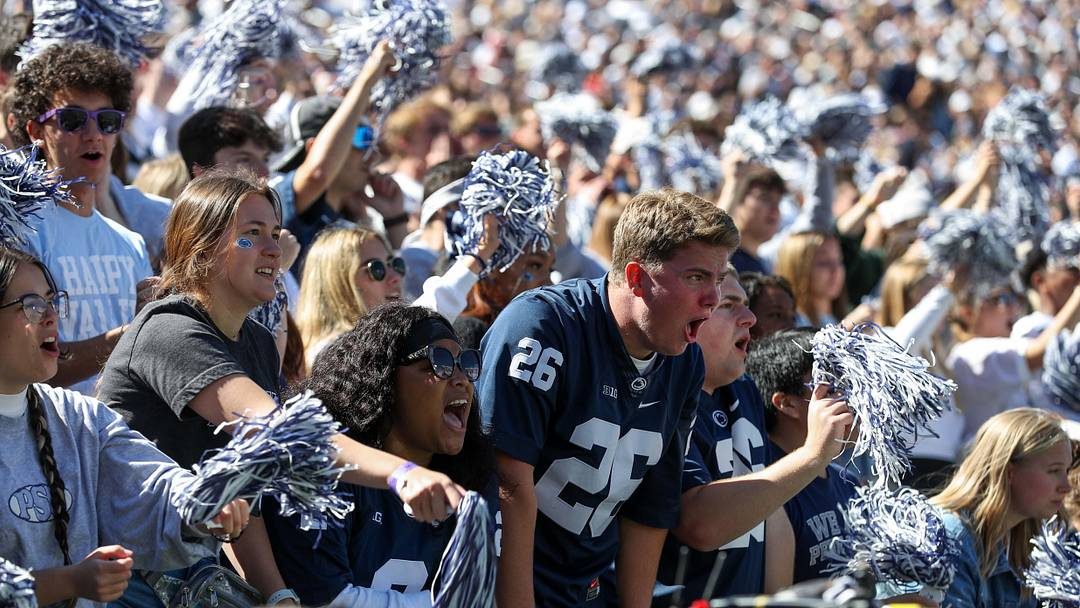
What started as an unorganized contest on foot between rival 19th-century college classes has blossomed into America’s most visual, community-driven sporting phenomenon. Every autumn weekend, millions of fans celebrate this rich evolution not just on the field, but through beloved gameday expressions:
- The Living Mascot Ritual: From sideline performers to spirited cheer squads, each university’s college mascot personifies the resilience, playful lore, and competitive fire of its founding campus culture.
- Bespoke On-Field Fanwear: Bridging the boundary between stadium stands and the gridiron by wearing breathable Custom Football Jerseys customized with milestone class years and personal family names.
- Nostalgic Campus Layers: Braving brisk game day weather wrapped in heavyweight vintage mascot sweatshirts layered over breathable graphic mascot t-shirts designed for all-day comfort.
Featured Custom Game Day Jerseys
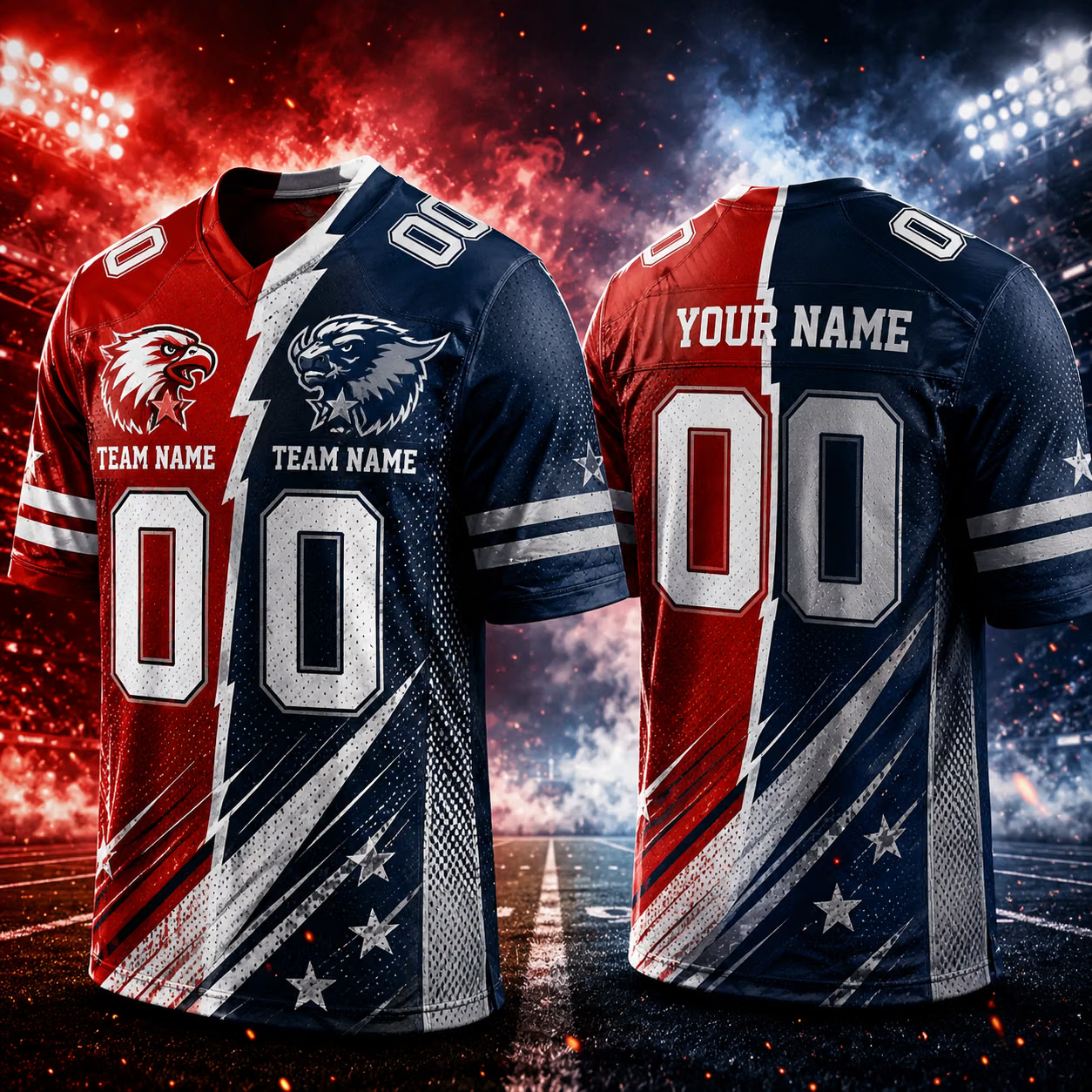
Cool Custom Football Jersey Epic Split Eagle Mascot Game Outfit
Personalized Name & Number | High Definition Sublimation

Cool Custom Football Jersey Trendy Lightning Graphic Game Day Outfit
Personalized Name & Number | Premium Athletic Mesh
Frequently Asked Questions (FAQ)
Q: Why is American football called football if players use their hands?
A: The term originated in medieval Europe to describe games played “on foot” by peasants, distinguishing them from noble equestrian sports played on horseback.
Q: Where did the term “Gridiron” come from?
A: In the early 1900s, football fields were painted with a checkerboard grid pattern to measure 5-yard increments, resembling a cooking gridiron.
Q: Why is an American football nicknamed a “pigskin”?
A: 19th-century balls were made by inflating animal bladders (frequently pig bladders) and encasing them in protective leather.
Wear Over a Century of Gridiron Pride with Aloprints
From historic 1874 rugby fields to modern Saturday stadium tailgates, celebrate the heritage of the gridiron with custom-crafted football jerseys, vintage mascot crewnecks, and personalized game day essentials.
Related Reads
 August 18, 2026 · 7 min read
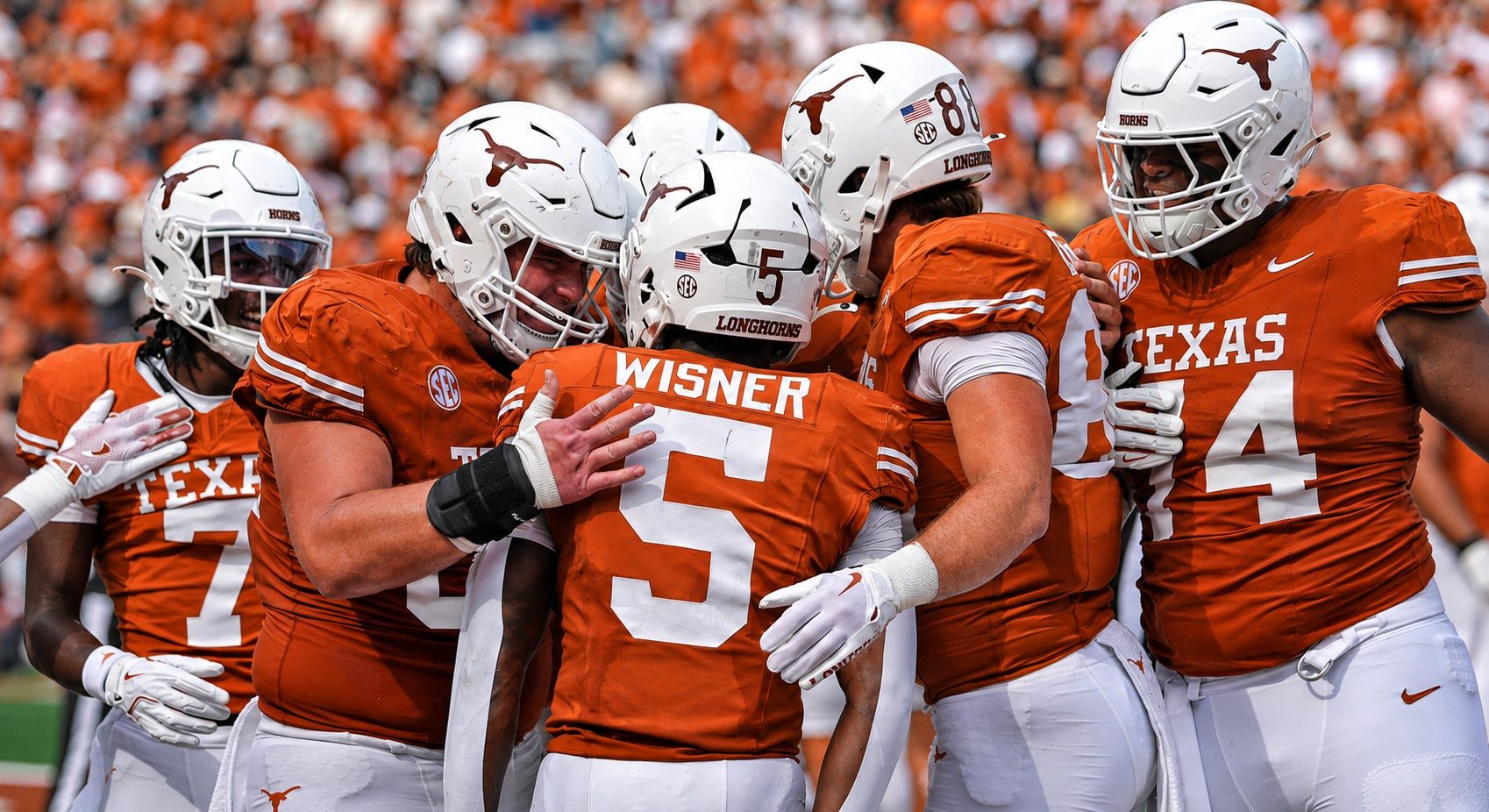
The Rise of Longhorn Nation: Texas’s Most Iconic Games
 August 18, 2026 · 7 min read
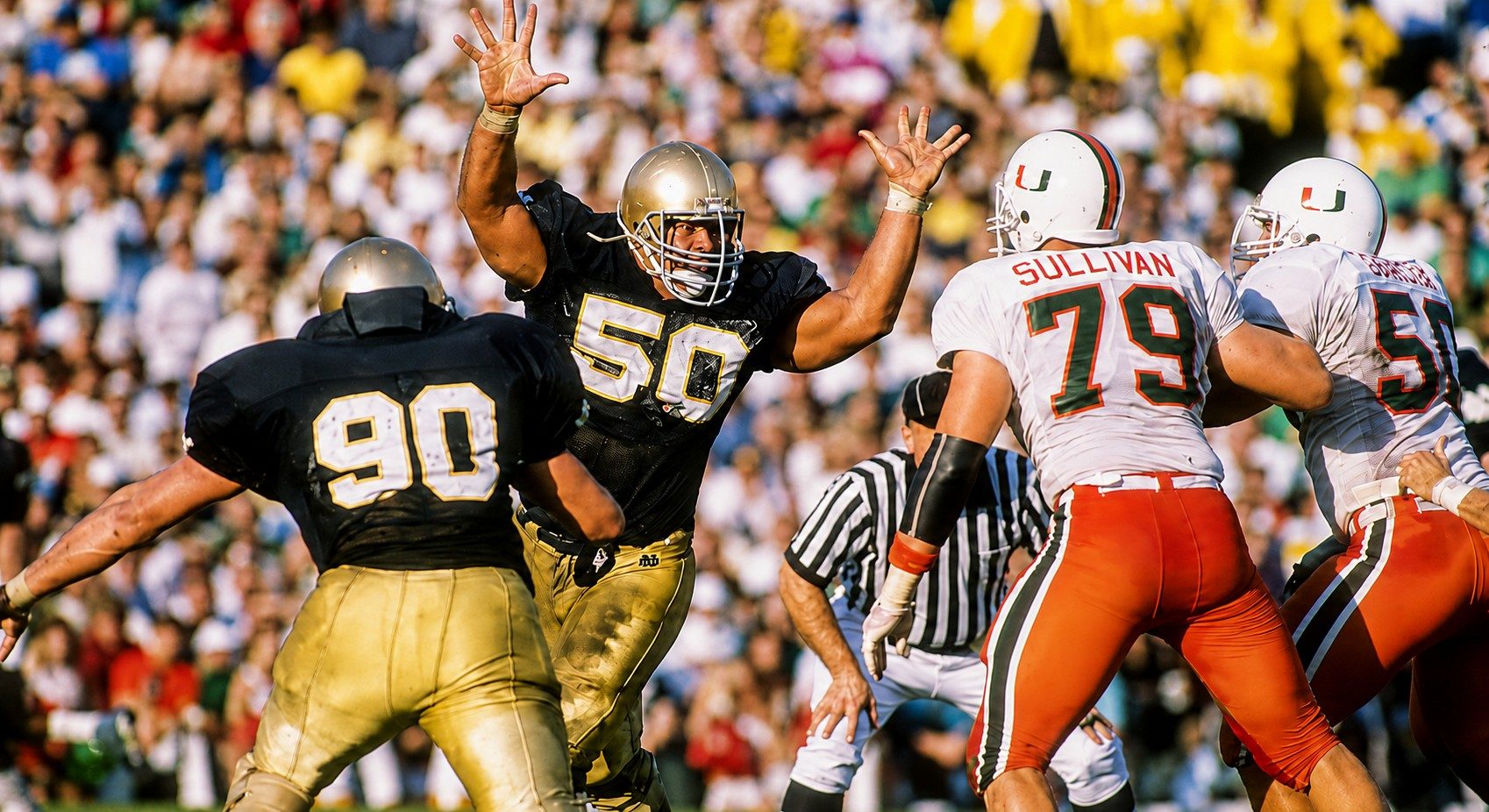
Under the Golden Dome: The Greatest Notre Dame Games
 August 18, 2026 · 7 min read